

What is Logistics? Importance, Types, and Key Functions Explained
In the modern commerce world, logistics is the invisible engine driving global trade. From the clothes you wear to the food you eat, these products travel thousands of miles to each of your doorsteps. Logistics ensure that the right products arrive on time, in the right condition, all while optimising costs. This guide will unravel the intricacies of logistics, the processes, and the impact it has on everyday businesses.
What is Logistics?
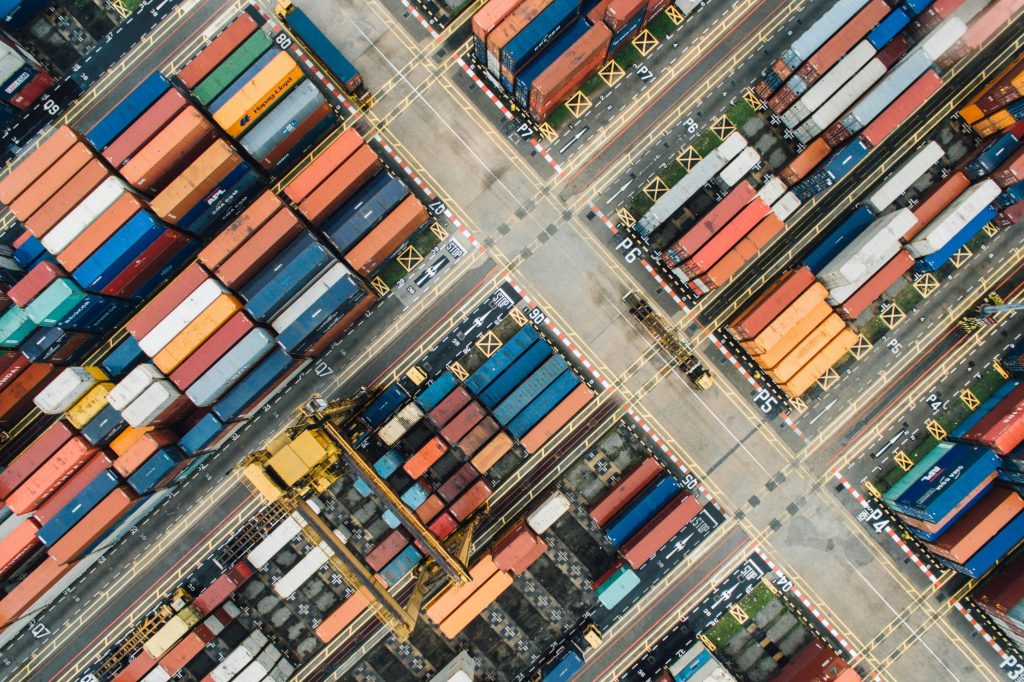
Logistics is the detailed coordination of complex operations involving people, facilities, and suppliers. It’s about smart planning, implementing, and efficient execution of goods, services, and information from the point of origin to the point of consumption. By streamlining the flow of products, you can cut costs, stay competitive, and keep customers coming back to your business.
“Logistics is no longer just about moving goods from point A to point B. It is about designing intelligent, responsive systems that can adapt to disruptions, optimise costs, and deliver consistent customer value in real time.”
Professor Dr. Behrooz Gharleghi
Expert in Global Supply Chains, Sustainability, and International Business
Why is Logistics Important in Modern Business?
The importance of logistics cannot be overlooked. Efficient logistics reduces operational costs, improves customer satisfaction, and provides a competitive advantage. Poor logistics can affect a company’s bottom line; without them, supply chains would break down, leading to delays and preventing cash from moving from customer to seller. In fact, 97% of survey respondents agree that having a resilient support chain positively impacts business performance.
Types of Logistics
There are a few types of logistics:
- Inbound Logistics: Manages the movement of raw materials from suppliers to manufacturers.
- Outbound Logistics: The storage and distribution of finished goods to customers.
- Reverse Logistics: This manages returns, recycling, refurbishments, and waste disposal.
- Third Party Logistics (3PL): Outsourcing logistics operations to specialised providers.
- Warehouse Logistics: Receiving, storing, picking, packing, and shipping come together.
- E-commerce Logistics: From inventory management and warehouse to packing and last-mile delivery.
Key Functions of Logistics
Effective logistics management relies on these core functions:
Inventory Management: Maintaining optimal stock levels to avoid shortages while minimising excess inventory.
Warehousing: Storage plays a key role in keeping your goods safe until needed. Placing them in organised warehouses or distribution centres ensures your products are ready to ship.
Transportation: A company needs to select the best mode of shipping – air, sea, rail, or road – and the best carrier based on cost, speed, and distance.
Order Dispatch: This is the final step in getting products to your customers by receiving, tracking, and fulfilling customer orders. When done correctly, this ensures accurate delivery and on time.
Demand Planning: Logistics depend on effective demand planning to prevent shortages of high‑demand materials and to minimise the risk of overstocking.
Information Flow: Effective information flow keeps all stakeholders aligned by delivering accurate, up‑to‑date data throughout the logistics process.
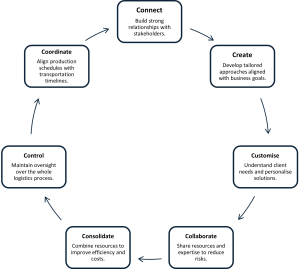
What Are The 7 C’s of Logistics?
The 7 C’s are a checklist for logistics professionals used to address challenges. Understanding them can support better decision-making and performance.
What Are The Best AI tools for logistics Companies?
AI is already transforming the logistics industry and is essential for competition and resilience. Top AI tools include:
- Route Optimisation Tools: Descartes, Locus, Optimal Dynamics, Route4Me.
- Demand Forecasting Platforms: Blue Yonder, Oracle Fusion SCM, Kinaxis.
- Warehouse Robotics: AutoScheduler.AI, Synkrato Digital Twin.
- Predictive Analysis Tools: SAP IBP, Oracle SCM Cloud.
- Fleet Management: Uptake Fleet, ORTEC, ClearMetal.
“Automation and AI are not replacing logistics professionals, they are enhancing decision-making. The future belongs to professionals who can combine operational knowledge with data-driven tools.”
Professor Dr. Behrooz Gharleghi
Expert in Global Supply Chains, Sustainability, and International Business
Logistics vs Supply Chain Management
Simply put, logistics is a subset of supply chain management. While logistics focuses on the movement and storage of goods from a single company, a supply chain network is the strategic coordination of the entire production flow, from sourcing raw materials to delivering the final product. For a deeper understanding, check out the detailed guide on the difference between supply chain management and logistics.
How E-commerce is Changing the Logistics Industry
The demand for same-day delivery, real-time tracking, and easy returns has forced a shift from bulk shipping to single-item delivery. This has led to the rise of drone deliveries, micro-warehousing and fulfilment centres, alongside more data-driven logistics and a growing focus on managing returns efficiently.
Future of the Logistics Industry
The future of the logistics industry is very much digital and autonomous. Expect a wider use of blockchain for security, Internet of Things (IoT) for real-time tracking and autonomous trucks for long-haul transport. Sustainability is also crucial, with a push toward electric vehicles and circular supply chains. As the industry is moving at a rapid rate, the processes will start to become much smarter and faster.
Logistics Jobs in Germany
Germany is one of Europe’s strongest hubs for logistics jobs. It’s one of the major transport networks supported by its strong infrastructure and industrial strength. There is a consistent shortage of skilled professionals in roles such as:
- Supply Chain Analysts
- Warehouse Managers
- Transport Coordinators
- Operational Planners
- Logistic Process Analysts
Major companies like DHL, Zalando, Amazon, and BMW regularly hire logistics professionals, with many offering internships for students.
Why Study Logistics and Supply Chain Management in Germany
Germany offers the perfect ecosystem for studying this field. Here are the reasons why:
Germany – Europe’s Logistics Hub
Germany is home to one of the largest seaports (Hamburg and Bremerhaven) and Europe’s busiest airports (Frankfurt). As Europe’s strongest economy, it hosts thousands of global companies, creating plenty of opportunities.
High Demand for Logistics Professionals
There is a shortage of skilled professionals, and German companies are actively seeking graduates with the skills and knowledge in logistics management and digital transformation.
Study Opportunities for International Students
Institutions such as Gisma University of Applied Sciences offer specialised programmes taught entirely in English. The BSc Business Management & Logistics and the BSc Supply Chain and Logistics are designed to meet the industry needs. Gisma provides state-recognised degrees with high employability rates, preparing you for a logistics function of the future.
“Our logistics programmes are built around real-world applications, from warehouse operations and transport systems to digital supply chain tools. We focus on preparing students to manage complexity, not just understand theory.”
Professor Dr. Behrooz Gharleghi
Expert in Global Supply Chains, Sustainability, and International Business
Career Opportunities After Graduation
Graduates can work in Inventory Management, Transport Coordination, or Global Trade. With Germany’s strong manufacturing, trade, and retail sectors, the objective of logistics is clear: optimise, reduce waste, and increase speed.
Conclusion
Logistics is more than just shipping boxes; it’s the backbone of global commerce, driving demand worldwide. From AI integration to e-commerce disruption, the industry is evolving faster than ever. The need for skilled professionals grows – especially in Germany. By studying at institutions like Gisma University of Applied Sciences, you will be at the centre of Europe’s strong logistics network.
FAQs
What is logistics management?
Logistics management is the coordination of supply chain functions, including transportation, inventory, warehousing, and order fulfilment, to ensure efficient movement of goods and meet customer demands.
Is logistics a good career?
Yes. With the rise of e-commerce, it’s a high-demand field offering competitive salaries and great mobility.
What skills are needed for logistics careers?
Key skills include analytical thinking, problem-solving, negotiation, communication, knowledge of logistics software, and a basic understanding of AI and automation.
Role of AI in the logistics process
AI optimises routes, predicts demand, automates warehouse operations, and reduces human error in documentation.
What degree is best for logistics and supply chain management?
A specialised degree in logistics, supply chain management or business management with logistics provides the technical and strategic knowledge required.
Can international students work in logistics in Germany?
Yes. International graduates have an 18-month post-study work visa to seek employment in Germany logistic sector.
Which cities in Germany have the most logistics jobs?
Berlin (start-up logistics), Hamburg (port), Munich (air freight), Frankfurt (aviation hub), and Bremen.hotomath, and Duolingo Max.
Want to explore more?