

Study in Germany for Brazilian Students: The Complete 2026 Guide
Germany has earned its place as one of the world’s most popular study destinations, and for Brazilian students, it merits serious consideration. High-quality education, living costs that compare favourably with many major European cities, and clear routes into the job market after graduation make it an alluring choice for those planning their next step.
Germany education for Brazilian students has never been more attainable. Whether you are weighing up a bachelor’s or a master’s, exploring English-taught options or figuring out how scholarships and visas actually work, this guide covers everything you need to make a certain, well-informed decision.
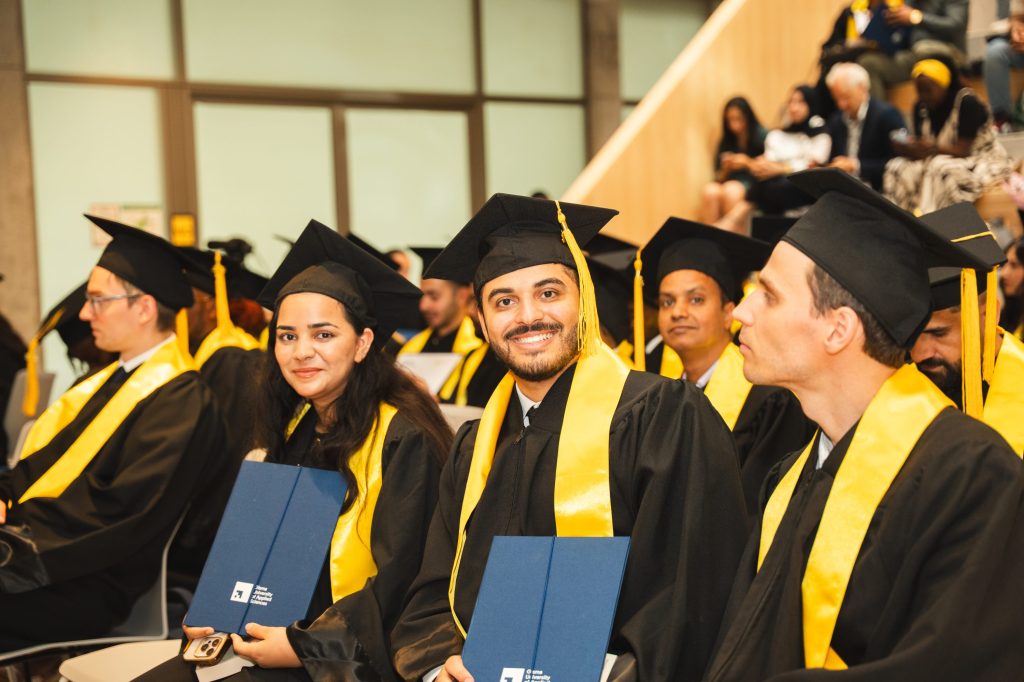
Why Study in Germany?
Germany enrolled 402,083 international students in the Winter Semester 2024/25, a 6% increase from 2023/24, reflecting the country’s growing reputation as a top study destination. For Brazilian students in Germany, that number matters because it speaks to the infrastructure, support networks and international community already in place when you arrive.
Here is some of what makes Germany stand out:
- Germany is the #2 best study abroad destination in Europe (2026),
- A leading innovation economy with €22.4 billion in higher education R&D investment.
- The German government plans to invest up to €120 million through 2028 to support international graduates, improve student services and offer career transition support and German language training.
- World-class public transport, safety and cultural accessibility.
- Highly affordable compared to other Western European countries.
- Graduates from German institutions can apply for an 18-month job-seeking residence permit.
Scholarships for Brazilian Students in Germany
Funding a degree abroad is one of the most common concerns — and rightly so. The good news is that scholarships in Germany for Brazilian students are more available than most people realise.
Paying for an international degree is often one of the first concerns students and families raise. The encouraging news is that scholarships in Germany for Brazilian students may be easier to access than many Brazilian students expect, with options available across a range of institutions and study pathways in Germany.
Institutional scholarships
At Gisma, we offer a wide range of scholarships for undergraduate and postgraduate students, making quality education more accessible.
Women in Tech Scholarship: Four 100% and twelve 50% awards available for MSc Data Science, AI and Digital Business and MEng Computer Science.
Think Digital Scholarship: €1,000 tuition reduction for selected digital programmes at the Potsdam Think Campus.
High Achiever Scholarship: Awarded to outstanding undergraduate applicants.
DAAD Scholarships
The German Academic Exchange Service (DAAD) is the primary funding body for international students in Germany. The DAAD supports around 150,000 students and academics each year with scholarships and projects since its founding in 1925. Brazilian students are eligible for several DAAD programmes, including:
- Study Scholarships for Master’s Degrees: Open to graduates from all academic disciplines, these cover tuition, a monthly stipend of approximately €992, health insurance contributions, and an annual study allowance.
- EPOS — Development-Related Postgraduate Courses: Targeted at graduates from emerging economies with at least two years of professional experience.
- DAAD Doctoral Programmes: Fully-funded PhD scholarships that include a monthly stipend of approximately €1,300-€1,400 for doctoral candidates.
Important planning note: Application deadlines vary by scholarship programme. Applicants should consult the DAAD website for the latest deadlines, eligibility criteria and application requirements.
Other Funding Routes
Beyond DAAD, Brazilian students can explore:
- Brasil-Alemanha bilateral exchange programmes.
- Company-sponsored scholarships through German firms operating in Brazil (particularly in engineering and manufacturing sectors).
For a detailed breakdown of DAAD options specifically for Brazilians, the DAAD Brazil scholarship guide is worth reading carefully.
Top German Cities Preferred by Brazilian Students
Choosing a city is just as important as choosing a university. Each major German city has its own character, cost profile, and career opportunities.
Berlin
Ranked 7th in the QS Best Student Cities (2026) has earned a reputation as one of Europe’s most inviting destinations for students, founders and ambitious young professionals. With around 40,000 new businesses registered each year and more than 500 start-ups launched annually, it has become a place where new ideas are turned into real ventures.
Potsdam
Known as one of Germany’s leading centres for science and research, Potsdam has the country’s highest concentration of academics per capita and is home to more than 40 research institutions. With more than 20 lakes, green open spaces and a historic centre recognised as a UNESCO World Heritage Site, Potsdam offers a setting that feels both inspiring and easy to enjoy.
Munich
As the capital of Bavaria, Munich brings together academic merit with a long-standing culture of engineering, technology and business. One of the most noticeable advantages of studying in Munich is how closely the city links study and work. Major employers like BMW, Siemens and Allianz are based here.
Hamburg
Ranked #2 in the Smart City Ranking 2025, Hamburg is recognised for its innovation, digital infrastructure and future-focused urban development. It is also a major centre for industry and technology, home to nearly 2,500 tech companies, including global leaders such as Airbus.
Leipzig and Dresden
Leipzig is one of Germany’s fastest-growing cities. New creative spaces, independent businesses and start-ups have steadily reshaped parts of the city over the past decade. The city stands out in areas like media and publishing, logistics and supply chain sectors, and entrepreneurship and small business development.
Known as “Silicon Saxony”, Dresden has built a strong reputation in microelectronics and advanced manufacturing. Global companies and research centres are deeply embedded in the region, which gives the city a steady focus on high-tech development.
Student Life in Germany for Brazilian Students
Adjusting to life in a new country takes time, but Germany is well set up for international students. Most universities have dedicated international offices, buddy systems that pair new arrivals with existing students and student unions that run regular social events.
A few things worth knowing before you arrive:
- Language: You can get by in English in most academic and professional settings, particularly at private institutions. That said, learning basic German makes daily life considerably easier and improves your job prospects after graduation.
- Community: The Brazilian student community in Germany is active and growing. Cities like Berlin have established expat networks where Portuguese speakers connect regularly.
- Health insurance: Mandatory for all students. Public health insurance runs approximately €130 per month as of 2026.
- Part-time work: International students in Germany can work up to 140 full days or 280 half days per year. This provides a genuine income stream to support living costs while studying.
- Transport: The Deutschlandticket (€63/month as of 2026) gives unlimited travel on local and regional public transport across Germany, which is excellent value for students navigating a new city.
For a fuller picture of what campus life looks like, take a look at life at Gisma.
Cost of Living in Germany for Brazilian Students
This is where Germany genuinely surprises people. The cost of studying in Germany from Brazil is often lower than students expect, especially compared to the UK, Australia or the United States.
Here is a rough monthly budget breakdown for 2026:
| Expense Category | Monthly Cost (Avg.) | Details & Smart Tips |
| Accommodation | €300 – €700 (shared) / €600 – €1,000 | Shared flats = huge savings. |
| Food & Groceries | €200 – €300 | Home cooking cuts costs. Eating out often costs €10–€20 per meal. Look for student canteens (Mensa) for affordable meals. |
| Transport | €50 – €100 | Semester tickets (included in uni fees) cover unlimited public transport in many cities. No need for a car! |
| Utilities (if not incl.) | €200 – €300 | Covers electricity, heating, water. Ask if utilities are part of your rent—many shared flats include this. |
| Internet & Mobile | €25 – €50 | Fast Wi-Fi is around €30–€40/month. Mobile plans with 10GB+ data usually start at €25/month. Look for youth/student offers. |
| Other Expenses | €100 – €200 | Covers books, laundry, occasional leisure, clothes, toiletries |
According to official German government figures, the minimum living cost recognised for residence permit purposes is €992 per month (€11,904 per year).
Student dormitories, managed by university services, are the most affordable accommodation option, starting from around €200–€400 per month, though demand is high and early applications are essential.
Student Visa Process for Brazilian Students
Brazilian citizens do not need a visa to enter Germany. Under current bilateral agreements, Brazilians can enter visa-free and then apply for a student residence permit after arrival within 90 days.
What You Will Need for the Residence Permit
Even without a visa requirement, the Germany student visa for Brazilians process still involves gathering the following:
- University admission letter: official acceptance from a recognised German institution.
- Blocked account (Sperrkonto): proof of €11,904 deposited (€992/month for 12 months), as required by German authorities for 2026/2027.
- Valid passport.
- Proof of health insurance: public coverage costs approximately €130 per month.
- Proof of accommodation in Germany.
- Completed residence permit application submitted to the local Foreigners’ Registration Office (Ausländerbehörde).
The blocked account requirement is non-negotiable. Without it, the residence permit application will be rejected. Providers like Fintiba and Expatrio allow you to open this account online from Brazil before you travel.
Timeline tip: Register your address (Einwohnermeldeamt) within two weeks of arriving in Germany, and apply for your residence permit well before the 90-day window closes.
Best Programmes for Brazilian Students in Germany
The right programme depends entirely on your goals, but certain fields consistently attract Brazilian students in Germany given Germany’s industry strengths.
At Gisma University of Applied Sciences, the focus is on applied, career-facing education. All programmes are taught in English, removing the language barrier that holds many prospective students back. Programmes span business, technology, data and management, fields where Germany’s economy is most active.
When assessing any programme, ask these questions:
- Is the degree fully English-taught? (Important if your German is still developing).
- Does the university have direct industry partnerships in your target field?
- What is the graduate employment rate?
- Is the institution state-recognised in Germany?
A bachelor’s degree in Germany for Brazilians is absolutely accessible at private institutions, with structured pathways into master’s level study and beyond.
Explore the full range of available options at Gisma’s programmes page.
Why Germany Offers Strong Career Growth for International Graduates
Completing a degree in Germany is not just an academic achievement. It is also a career strategy.
Germany is Europe’s largest economy, home to major employers across automotive, engineering, pharmaceuticals, finance, and technology. Companies like Volkswagen, Siemens, SAP, Deutsche Bank and Bayer are headquartered here and all actively recruit international graduates.
After graduation, non-EU students, including Brazilians, can apply for an 18-month post-study work visa (the job-seeker residence permit under §20 AufenthG). During this period, you can work any job to cover living costs while searching for a role that matches your qualifications.
Once you secure that role, you can transition to a work permit or the EU Blue Card.
Ready to Study in Germany?
Discover Internationally Recognised Programmes at Gisma University of Applied Sciences
Gisma University of Applied Sciences is a state-recognised private university in Germany for international students, offering fully English-taught programmes at campuses in Berlin and Potsdam. It’s designed with the real demands of modern business and technology in mind.
Our programmes across business, technology, management and more pair strong academic foundations with learning built around how the global economy works today. This includes applied learning, industry projects and personalised career support.
Ready to take the next step? Contact us to know more →
Frequently Asked Questions
What are the entry requirements for Brazilian students to study in Germany?
Requirements vary by institution and programme level. Generally, you will need a recognised secondary school certificate (or undergraduate degree for master’s programmes), proof of English language proficiency (IELTS or equivalent for English-taught programmes), a personal statement, and references.
How can Brazilian students apply to German universities step by step?
- Research programmes and confirm entry requirements.
- Prepare your documents: transcripts, language certificates, CV, personal statement.
- Submit your application directly to the university, your educational adviser or via the uni-assist portal.
- Receive your admission letter.
- Open a blocked account (Sperrkonto) with €11,904.
- Travel to Germany visa-free (as a Brazilian national).
- Register your address within two weeks of arrival.
- Apply for your student residence permit within 90 days.
Which cities in Germany offer the most English-taught programmes for Brazilian students?
Berlin, Potsdam, Munich and Hamburg have the highest concentration of English-taught programmes. Private institutions across these cities, including Gisma in Berlin and Potsdam, offer degree programmes conducted entirely in English, making them well-suited to students who are not yet fluent in German.
Is Germany a good study destination for Brazilian students in 2026?
Yes, and the data supports it. Germany enrolled 402,083 international students in the Winter Semester 2024/25, a 6% increase from 2023/24. The combination of recognised qualifications, an accessible cost of living, generous post-study work rights and a strong job market makes it one of the most practical and rewarding study destinations available to Brazilian students right now.
Can Brazilian students study in Germany without speaking German?
Yes. A growing number of English-taught programmes in Germany, particularly at private universities, require no German language proficiency for admission or study. That said, developing basic German skills during your time in the country will improve your daily life and open up a broader range of graduate employment options.
Do Brazilians need to speak German to study in Germany?
Not at private institutions offering English-taught degrees. At Gisma University of Applied Sciences, for example, all programmes are delivered in English. German language skills are an asset for career development but are not a prerequisite for entry or study at institutions designed for international students.
Want to explore more?